
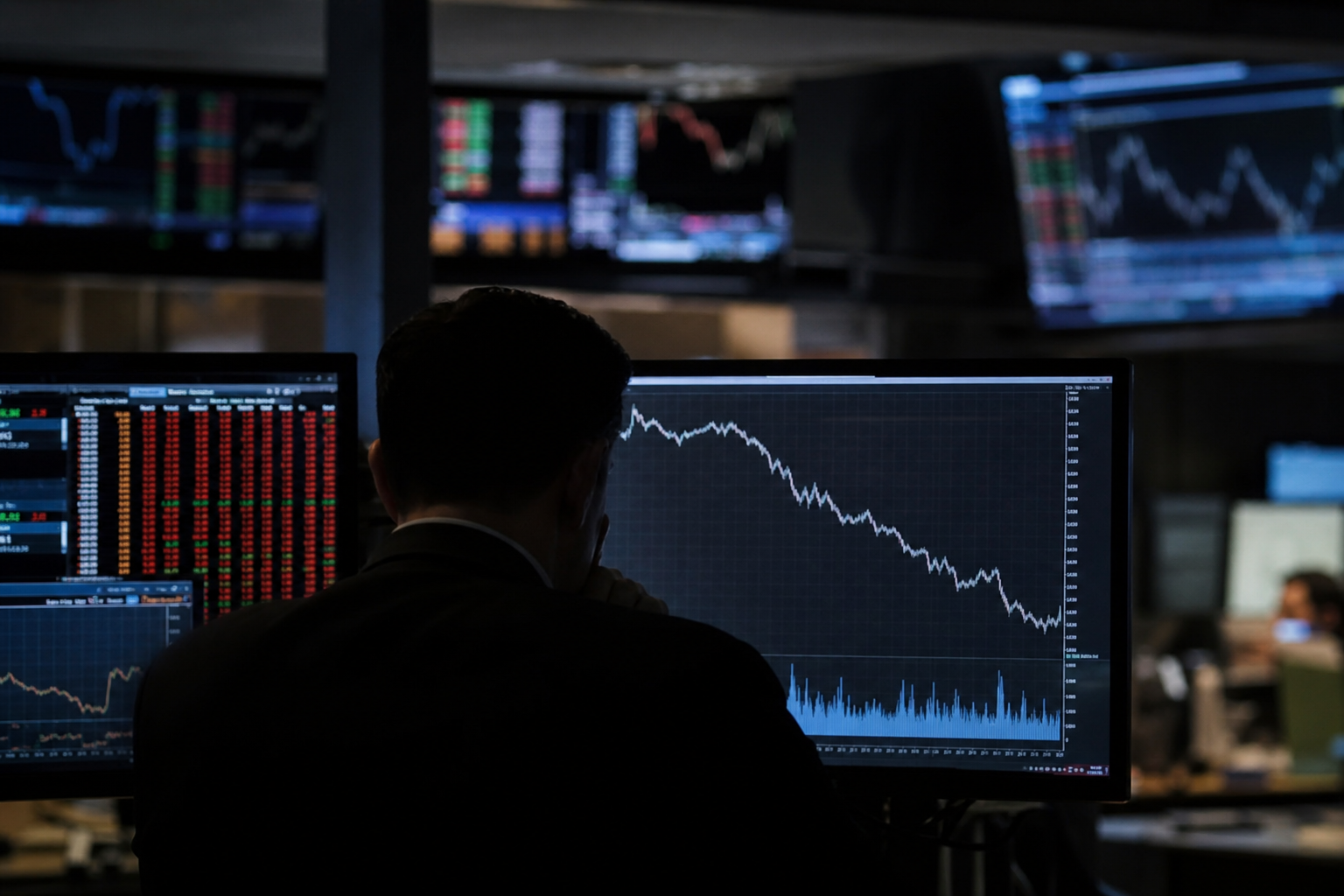
The volatility index, commonly known as the VIX, has plunged to a year-to-date low of 14.1, a signal that traders may be warming up to a more stable market environment. This notable decline in the VIX suggests a decreasing fear among investors, aligning with a broader sense of optimism fueled by recent comments from Federal Reserve Chair Warsh.
Warsh's speech at Jackson Hole has resonated deeply within trading circles, with his emphasis on price stability being viewed as a crucial factor in shaping future monetary policy. As the VIX falls, it paints a picture of calm amid the storm and could indicate that traders are reassessing their positions in light of Warsh's insights.
Understanding the VIX's Implications
The VIX serves as a barometer for market volatility, often referred to as the "fear gauge." A drop to 14.1 not only reflects reduced expectations for future volatility but also suggests that traders are leaning towards a more favorable risk environment. Historically, levels around this range have been associated with bullish trends in equities as traders feel more confident in their positions.
Warsh's Optimism and Its Effect on Sentiment
Warsh's remarks have been characterized as both optimistic and concerning. While his focus on price stability reassures markets that the Fed may maintain a steady course, the underlying tone of caution suggests that traders should remain vigilant. The delicate balance between fostering economic growth and controlling inflation remains a pivotal concern, and Warsh's comments could guide traders' expectations moving forward.
Market Performance: Nasdaq vs. Dow
Amid the backdrop of a declining VIX, major indices have exhibited divergent performances. Notably, the Nasdaq has surged by 1.57%, while the Dow only managed a modest gain of 0.20%. This stark contrast highlights the tech sector's resilience and its ability to capitalize on the prevailing sentiment of reduced volatility. As traders recalibrate their strategies, the strength of the Nasdaq may provide clues on investor confidence in growth-oriented stocks.
In conclusion, the convergence of a low VIX and Warsh's optimistic outlook creates an intriguing scenario for traders navigating the current market landscape. While the VIX at 14.1 indicates a level of comfort among investors, the implications of Warsh's comments suggest that caution must not be overlooked. In a market ripe with potential, traders must remain vigilant as they balance optimism with the realities of economic uncertainty.
For further insights on the latest market movements, check out the full analysis on CNBC.