
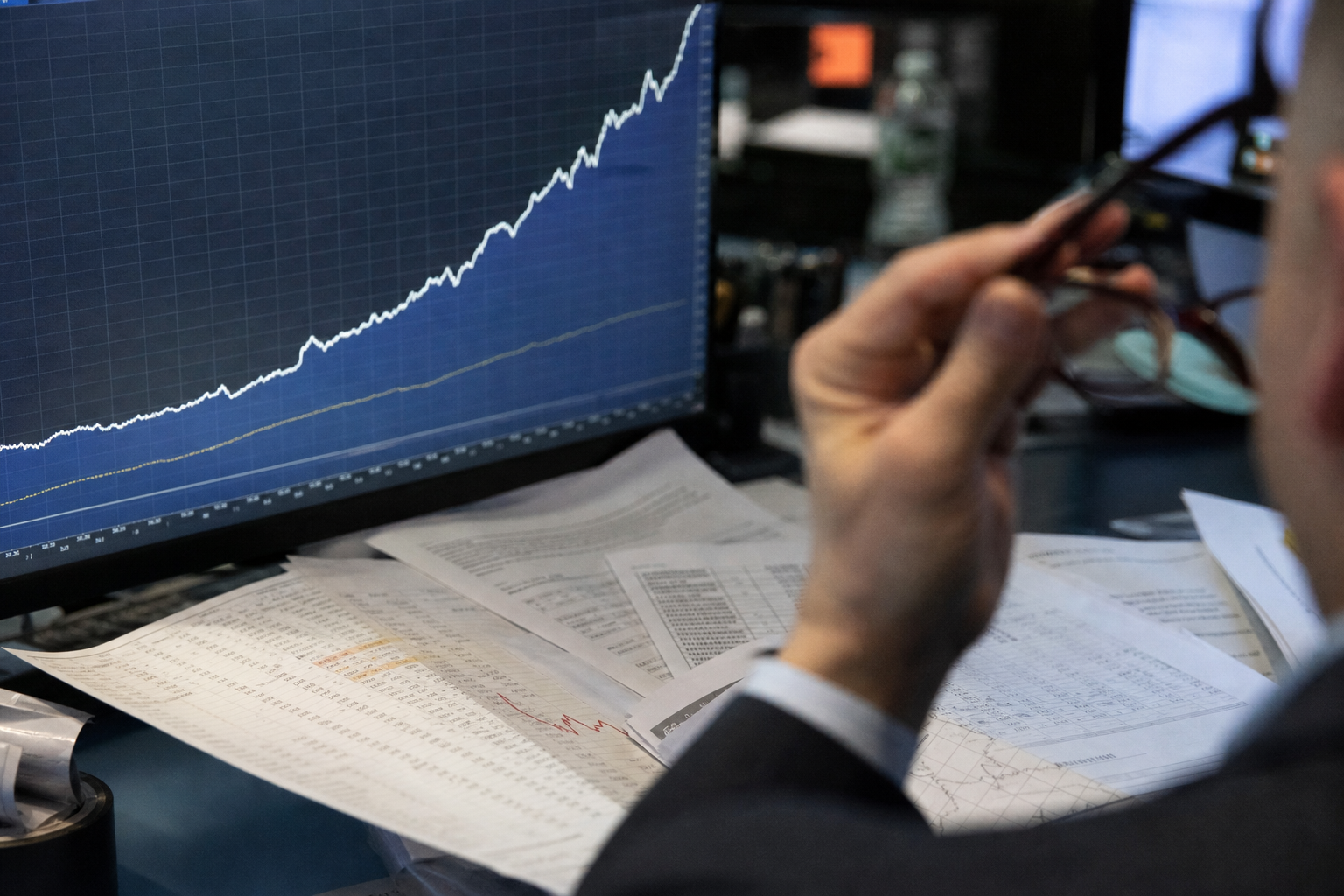
As the sun rises over Wall Street, a new storm is brewing in the markets. Rising U.S. Treasury yields, coupled with a divided Federal Reserve, are setting the stage for potential volatility that investors cannot afford to ignore. With the Fed opting to hold interest rates steady, the implications of its decision are reverberating through the financial landscape, leaving many to question the future of rate-sensitive equities and sector dynamics.
The backdrop of this financial drama is the recent uptick in Treasury yields. As these yields climb, they are not just numbers on a screen; they represent a shift in investor sentiment and a tightening grip on the market. Higher yields typically signal rising borrowing costs, and that could put pressure on equities that are most vulnerable to interest rate fluctuations. Investors are already feeling the heat, as the specter of a divided Fed adds to the uncertainty. With policymakers split on their approach to interest rates, the market is left in a state of limbo, oscillating between optimism and caution.
Understanding the Fed’s Position
In a recent meeting, the Fed maintained its current interest rate levels, a decision that initially sparked relief in some corners of the market. However, the underlying tensions within the committee—where opinions on future monetary policy diverge—are creating a complex environment for investors. A divided Fed suggests that future rate hikes may not be as straightforward as previously anticipated. This uncertainty can lead to increased market volatility, as traders grapple with the implications of varied perspectives on interest rate paths.
Sector Rotation and Market Dynamics
As Treasury yields rise, we may witness a significant rotation among sectors. Historically, higher yields have pressured rate-sensitive equities, particularly in the technology and real estate sectors. Companies that thrive on low borrowing costs could find themselves in a tight spot, while financials may flourish in this new landscape. This shift not only impacts individual stocks but can also reshape sector performance on a broader scale, prompting investors to reassess their strategies.
The Geopolitical Landscape
Adding fuel to the fire are the geopolitical tensions that continue to loom large over the markets. These external pressures contribute to a heightened sense of risk-off sentiment among investors. When uncertainty reigns, capital often flows away from equities and into safer assets, such as Treasuries. This behavior further exacerbates the dynamics at play, creating a challenging environment for those looking to navigate the current market landscape.
What Lies Ahead
As we look ahead, the combination of rising Treasury yields, a divided Fed, and geopolitical tensions creates a perfect storm for market volatility. Investors must remain vigilant, closely monitoring economic indicators and Fed signals that could sway market sentiment. The road ahead may be bumpy, but understanding these dynamics will be crucial for anyone looking to navigate the turbulent waters of the current financial environment.
For more insights on the implications of the Fed's meeting and the current yield landscape, you can read the full analysis on CNBC.