
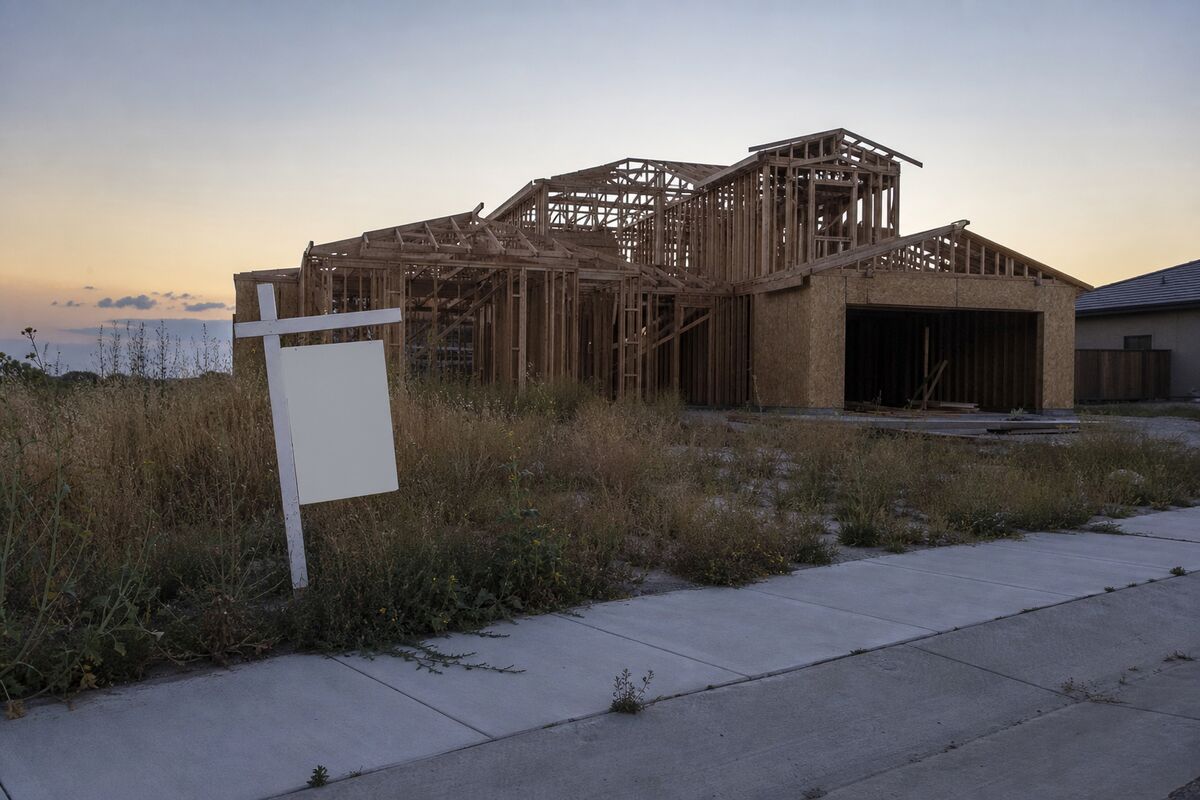
The U.S. housing market is losing altitude, and builders are responding with the financial equivalent of lowering the sails. Homebuilder sentiment has fallen to a 14-year low, a sharp warning that confidence is deteriorating as high mortgage rates weigh on demand and make the economics of new construction more difficult.
The growing number of builders cutting prices adds a more tangible edge to the warning. As described in the latest report on the housing downturn, companies are increasingly using price reductions to attract buyers. That may help move inventory, but it also puts pressure on revenue quality and margins—two issues the market tends to notice long before a housing slowdown becomes visible in the wider economy.
A confidence gauge flashing caution
The National Association of Home Builders, or NAHB, sentiment reading is not a sales report and does not measure the earnings of any single company. It is, however, an important temperature check for the building industry. A 14-year low indicates that the deterioration is broad enough to be felt in builders’ expectations and operating conditions, rather than being limited to an isolated project or region.
That distinction matters for publicly traded U.S. homebuilders. Equity markets often look beyond current closings and focus on what builders believe lies ahead: buyer traffic, order activity, cancellations, construction costs and the pricing needed to keep homes moving. When industry confidence reaches such a weak level, investors may begin to question whether future revenue growth can be maintained without greater incentives or price concessions.
The backdrop starts with mortgage rates. High borrowing costs raise the monthly expense of purchasing a home, even when the list price itself has not changed. That can push prospective buyers to delay a decision, seek smaller homes or remain in existing housing arrangements. For builders, a thinner pool of qualified or willing buyers can translate into slower inventory movement and greater pressure to use discounts.
Price cuts solve one problem while creating another
Price reductions can be a practical tool. If completed or nearly completed homes are sitting for longer, cutting prices may improve sales velocity and reduce the burden of carrying inventory. Faster movement can also help builders clear units before additional construction adds to the supply available to buyers.
But the remedy comes with a cost. A lower selling price can reduce revenue per home and compress gross margins, particularly when construction expenses remain elevated. The effect may be especially uncomfortable for builders that committed to land, labor and materials under assumptions of stronger pricing power. Even if price cuts support unit movement, they may leave less financial room after those costs are paid.
The pressure is not coming from mortgage rates alone. Rising energy, labor and materials costs are also weighing on homebuilders. Energy affects transportation and construction activity. Labor costs influence the expense of building and completing homes. Materials costs can make each project more expensive before it reaches the market. When those inputs rise while selling prices are being reduced, the margin squeeze becomes more pronounced.
This is where sentiment becomes relevant to the stock market. A weak confidence reading suggests builders may be entering a period in which they must balance demand generation against profitability. Price cuts could support revenue recognition by helping homes sell, but they may also make reported earnings more sensitive to construction costs, inventory decisions and the pace of buyer response.
What it could mean for housing-related stocks
The signal extends beyond homebuilder shares. Housing is tied to a wider group of rate-sensitive businesses, including companies connected to construction, building materials, home improvement and housing finance. If high mortgage rates continue to restrain demand, those sectors may face questions about volumes and pricing as well as the broader question of when borrowing conditions might become less restrictive.
That does not mean every company will experience the same impact. Builders differ in geographic exposure, product mix, land holdings, construction pipelines and willingness to reduce prices. Some may have more flexibility to adjust starts or incentives, while others may be more exposed to slower inventory turnover. The NAHB reading offers an industry-level warning, not a complete earnings forecast for each publicly traded company.
Still, the market may treat the 14-year low as evidence that housing weakness is becoming harder to dismiss. A sentiment measure at that level can influence expectations around future orders, construction activity and the durability of builder pricing. It may also prompt investors to examine whether companies are protecting cash flow by moderating new projects or sacrificing margin to maintain sales.
The indicators traders will watch next
Mortgage-rate conditions will remain the central variable. Any sustained easing could improve affordability and give buyers more confidence, while continued high rates could extend the current strain. The important question is not simply whether rates move, but whether the change is large and durable enough to alter buyer behavior.
Further price reductions will provide another clue. More cuts could indicate that builders are working through excess inventory or confronting a buyer pool that remains too cautious at current borrowing costs. A slowdown in discounts, especially alongside stronger sentiment, could suggest that supply and demand are moving toward a more stable balance. Until then, pricing actions are likely to remain a closely watched signal of market health.
Investors may also focus on signs of stabilization in builder sentiment. A 14-year low marks a difficult starting point, but the direction of the next readings could matter as much as the level itself. Stabilization would not erase pressure from labor, energy and materials costs, yet it could indicate that demand is finding a floor. Further deterioration would reinforce concerns about revenue, inventory movement and margins.
The housing market is therefore presenting a familiar but unforgiving equation: expensive financing is restraining demand while expensive inputs challenge supply. Homebuilders are cutting prices to bridge that gap. Whether those cuts become a temporary sales tool or a deeper margin problem will depend on mortgage-rate conditions, buyer response and whether confidence can recover from its current 14-year low.
Bull/Bear Verdict
Bull Case: If mortgage-rate conditions improve and builder sentiment stabilizes after its 14-year low, price reductions could help move inventory and support a more orderly housing recovery.
Bear Case: Continued high mortgage rates, rising energy, labor and materials costs, and additional price cuts could pressure homebuilder revenue per home, inventory movement and margins.