
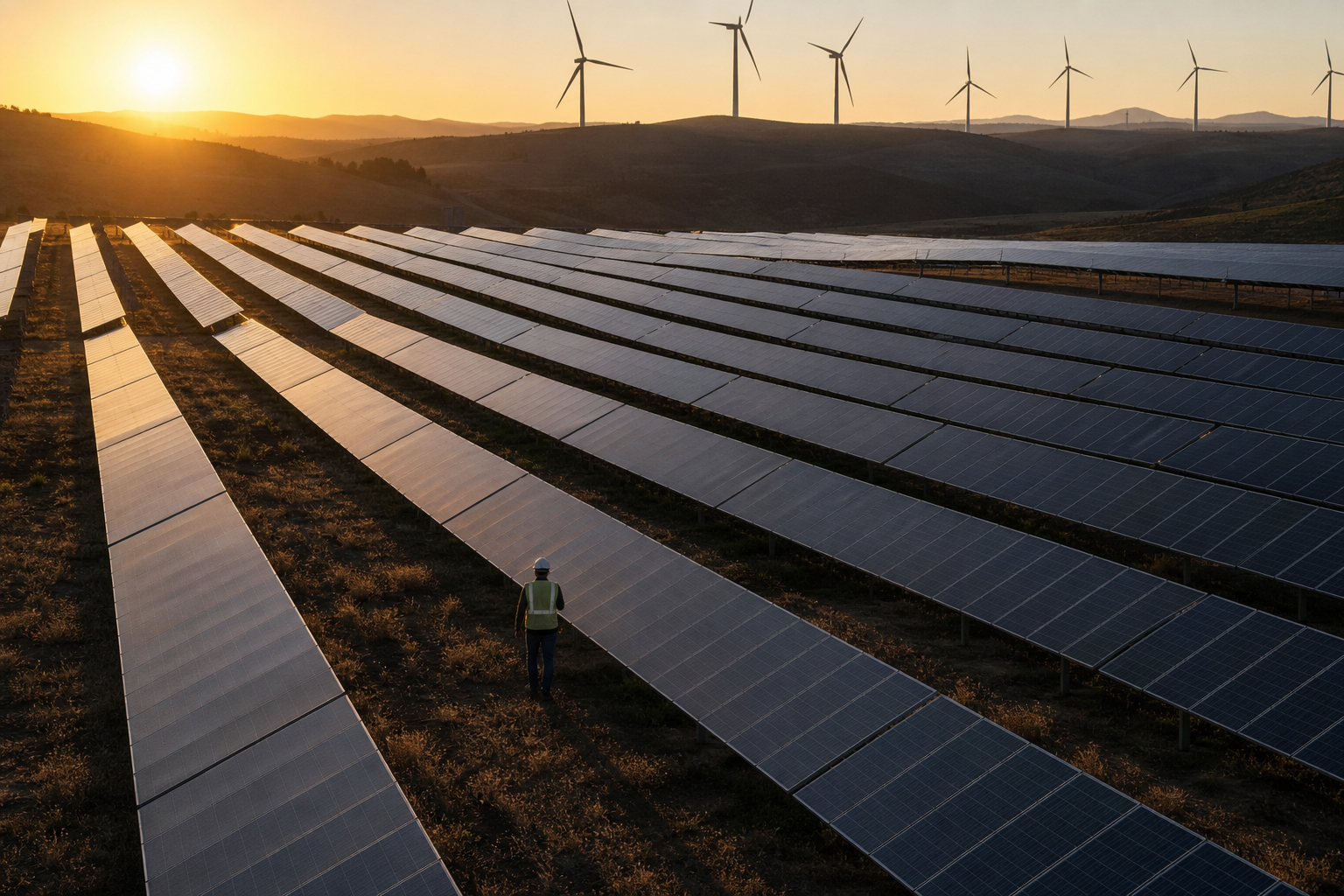
In an era where renewable energy is not just a trend but a necessity, Brookfield's acquisition of Boralex stands out as a watershed moment for the Canadian market. This strategic move, completed in collaboration with La Caisse, signals a robust commitment to the green energy sector, compelling investors to reconsider their positions in the evolving landscape. The implications of this acquisition extend well beyond the balance sheets and into the heart of investor sentiment, with potential ripple effects across the renewable energy sector.
Brookfield's decision to acquire Boralex, a company known for its significant contributions to renewable energy generation, highlights the growing importance of clean energy investments in Canada. As traditional energy sources face increasing scrutiny and regulation, the shift towards sustainable alternatives is not just advisable; it's imperative. This acquisition, therefore, is not merely about adding a company to the portfolio but represents a strategic alignment with the future of energy in Canada.
The Delisting Impact
The delisting of Boralex shares from public markets is a critical factor that could reshape investor dynamics. While some may view this as a loss of accessibility, it could also signal a consolidation of assets under a more robust management framework provided by Brookfield. By taking Boralex private, Brookfield may streamline operations and focus on long-term growth strategies that are often overlooked in the public eye.
However, the delisting may induce a short-term negative sentiment among retail investors who value the liquidity of public shares. This sentiment may lead to a temporary exodus from comparable stocks, as investors seek to reassess their portfolios in light of this major shift. The market's reaction to such events can often be unpredictable, posing both risks and opportunities for seasoned investors.
Ripple Effects on the Renewable Sector
Other players in the renewable sector will undoubtedly feel the impact of this acquisition. Companies like $NEE and $ENPH could face increased scrutiny as investors recalibrate their expectations. With Brookfield's deep pockets and strategic vision, the bar has been raised. Competitors will need to demonstrate viable growth strategies and innovations to capture investor interest in the wake of this landmark transaction.
Moreover, this acquisition may lead to a wave of consolidation in the renewable energy space, as smaller companies might seek partnerships or acquisitions to remain competitive. The market could see a flurry of activity as investors rush to identify the next potential target or partner that aligns with Brookfield's vision.
Institutional Trends in Clean Energy Investments
Institutional investors are increasingly leaning towards sustainable investments. Brookfield's acquisition of Boralex could serve as a catalyst, spurring more capital flow into the renewable sector. As public awareness of climate issues rises, institutional portfolios are reflecting this shift, with many funds prioritizing ESG (Environmental, Social, Governance) criteria in their investment strategies.
This acquisition could solidify Brookfield's position as a vanguard in clean energy, drawing in institutional investors who are looking for leaders in the sustainable space. The growing trend towards clean energy investments suggests that Brookfield's move may resonate well beyond Canada, influencing global market dynamics as well.
Conclusion
In conclusion, Brookfield's acquisition of Boralex is more than a corporate maneuver; it is a strategic positioning within the burgeoning renewable energy market. The implications for investor sentiment, market dynamics, and competitive landscape are profound. As the dust settles, stakeholders across the spectrum will need to keep a keen eye on how this transaction unfolds and its potential to reshape the future of energy in Canada.
Source