
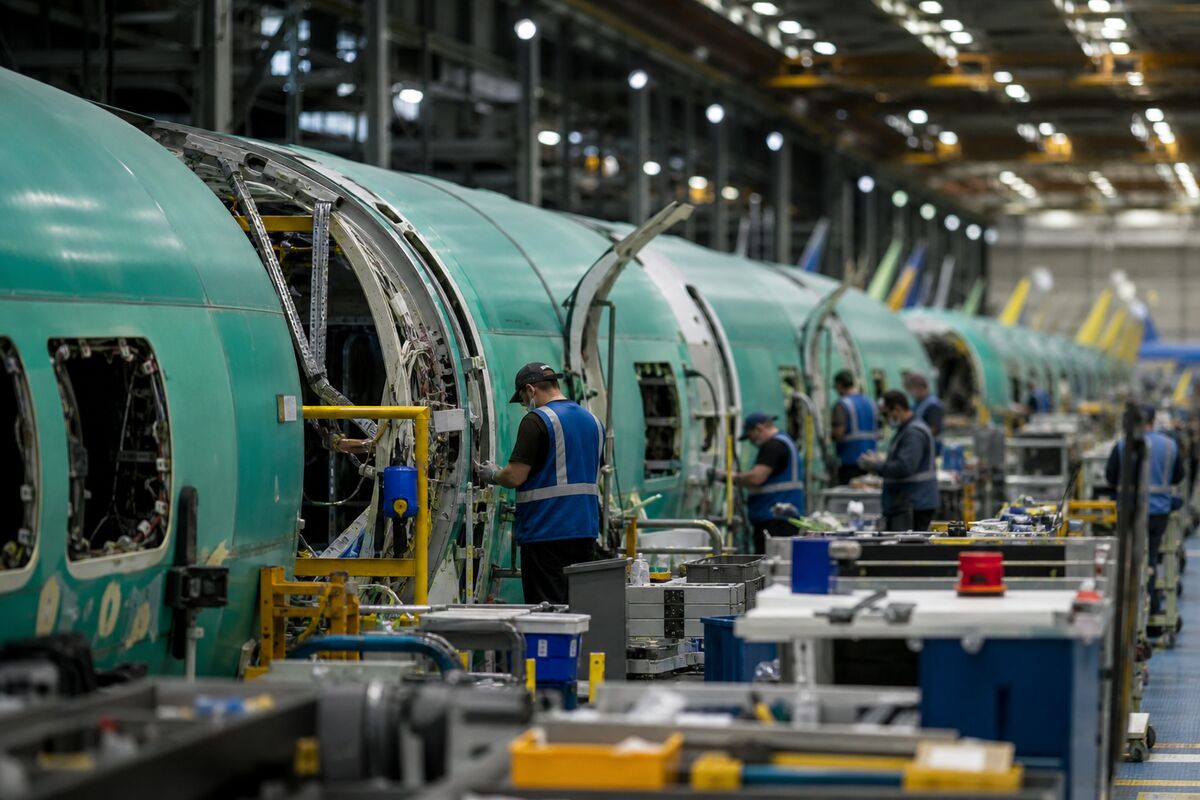
In a clear signal that the aerospace sector may be on the cusp of a significant recovery, Boeing's CEO has announced the launch of a new 737 Max assembly line at the company's facility in Everett, Washington. This strategic move, set to commence production on July 6, aims to ramp up output to an impressive 52 jets per month.
The decision to increase production capacity is not merely a reaction to improving market conditions; it also serves as a potential catalyst for growth across the entire aerospace supply chain. As demand for narrow-body aircraft continues to rise, Boeing's expansion plans underscore a broader resurgence in an industry that has faced unprecedented challenges in recent years.
The 737 Max, which faced a lengthy grounding and regulatory scrutiny, is finally regaining its footing in the marketplace. The planned output of 52 jets per month reflects a robust recovery trajectory, driven by renewed interest from airlines looking to modernize their fleets and capitalize on pent-up travel demand. This is particularly relevant as global travel continues to rebound post-pandemic, with airlines increasingly reliant on efficient, fuel-efficient aircraft to meet passenger needs.
However, this expansion doesn't just benefit Boeing. The ripple effects of increased production are likely to be felt across the aerospace supply chain, which includes numerous suppliers and manufacturers that support Boeing's operations. As Boeing gears up to meet heightened demand, suppliers that provide components and services for the 737 Max may also see a boost in their business prospects. This kind of interconnected growth could lead to a broader renaissance within the aerospace sector, reminiscent of the recovery patterns seen in previous economic cycles.
Investors should note that the aerospace sector has historically been cyclical, with periods of robust growth often followed by downturns. However, the current landscape, characterized by strong consumer demand and an evolving airline industry, suggests that the momentum could be sustained for the foreseeable future. The strategic positioning of Boeing’s new assembly line may thus be a harbinger of not just recovery but potentially a new growth phase in aerospace.
In conclusion, Boeing's new assembly line for the 737 Max represents more than just a production increase; it symbolizes a turning point in the aerospace sector's recovery narrative. With production set to ramp up significantly, market participants should keep a close watch on how these developments influence both Boeing ($BA) and its extensive supplier network.
For further details, you can read more about Boeing's announcement here.